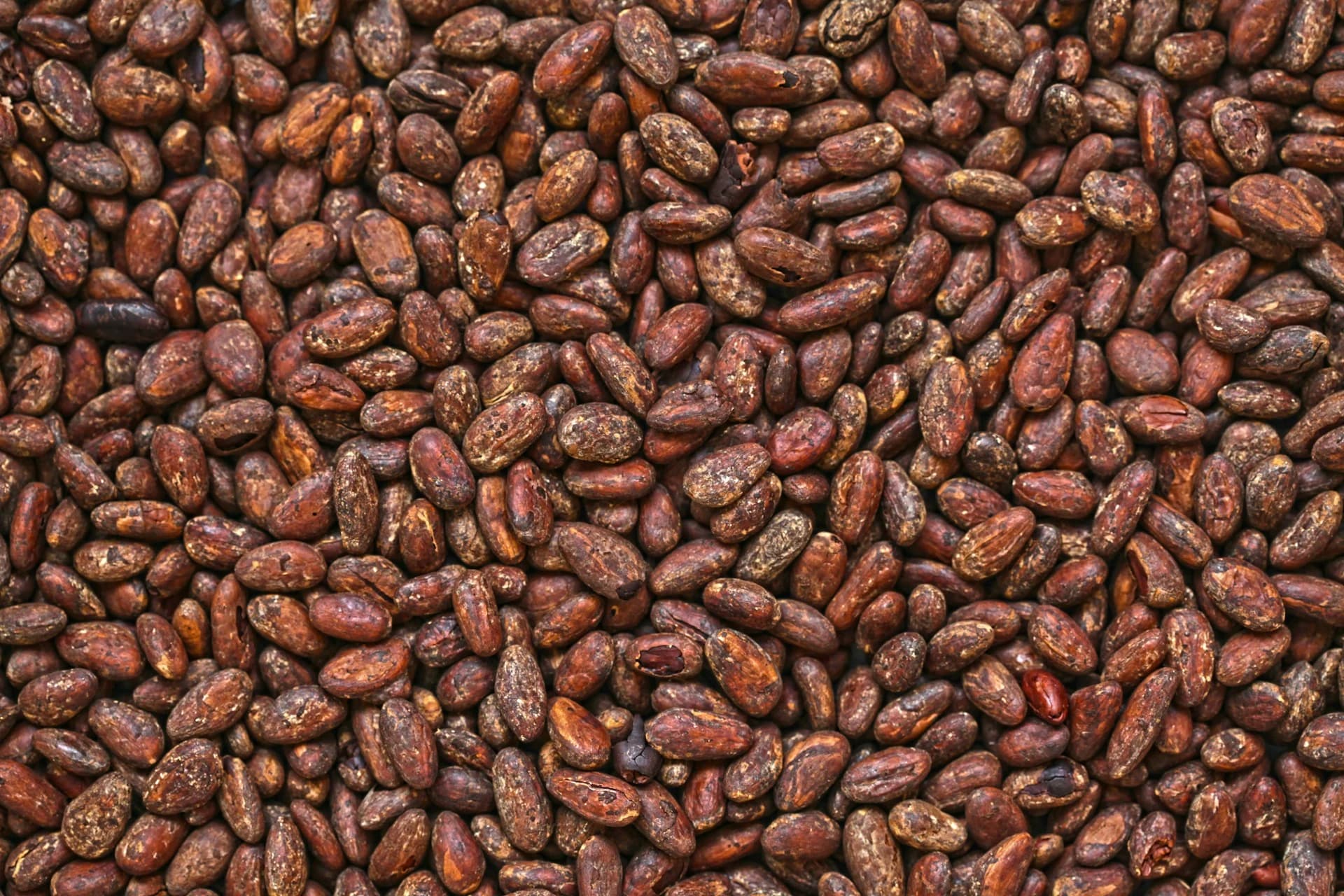
Four Medellín cacao tours compared on the decision that actually matters: a 3.5 hour city workshop in Laureles from $55, or a full day at a working cacao farm in the Andes from $135.
What You Should Know
- There are two completely different products sold under the same search term, and picking the wrong one is the main way people are disappointed. Two of these four are a 2 to 3.5 hour workshop at a house in Laureles, where the cacao is brought to you. The other two are 6 hour trips out to a working family farm in the Andes, roughly 1 hour to 1 hour 20 minutes each way. Both are good. They are not substitutes.
- The one recurring complaint about the city workshop is from people who booked it expecting a plantation. It is a workshop in a house in Laureles, and guests who arrived wanting cacao trees have said so in their reviews. It is also worth knowing that the session is heavy on cacao drinks (four to five different preparations) with a smaller amount of solid chocolate tasting, though you do mould and take home your own bar.
- You only see cacao growing on the farm tours. If watching pods cut from a tree and tasting the raw white pulp is the thing you want, the city workshops cannot give you that, because there are no cacao trees in Laureles. What the workshops give you instead is far more hands-on time with the chocolate itself.
- Price tracks format, not quality. All four tours here hold a 5.0 rating, and the cheapest is the one with the most reviews by a wide margin: 421 against 175, 101 and 57. The $150 tour is not better rated than the $55 one; it is private, includes a vehicle and takes most of your day.
- None of the four includes a full lunch. The farm tours include a snack, typically hot chocolate with cheese bread (pandequeso) and farm fruit. The city workshops include tastings, a cacao shot and a cocktail. On a 6 hour farm day starting at 7am, plan to eat before or after rather than expecting a meal.
- The rum pairing is an evening tasting, not a chocolate-making class. At 2 hours it is the shortest option here, runs at 6pm and 8.30pm, and centres on ten Colombian rums paired with chocolate. If you want to make and take home your own bar, book the 3.5 hour workshop instead.
- The farm tours involve more climbing than the listings suggest, and this is the most consistent practical theme in guest feedback. Reviewers describe steep, sometimes muddy footpaths on hillsides, narrow paths along hill edges and one narrow bridge, with recommendations for hiking boots and insect repellent. Several say plainly that your lungs will complain. Anyone with a fear of heights or limited mobility should weigh this before booking a farm day over the city workshop.
- Ages differ in a way that matters for families. The Laureles chocolate workshop takes all ages, the shared farm day is 4 and over, the private farm day allows infants on a lap, and the rum pairing is adults only. Both farm tours pick up only in El Poblado and Laureles. If you are staying in Envigado, Sabaneta or the city centre, confirm before booking; the city workshops sidestep this entirely since you make your own way to the Cacao House at Cra. 80B #35A-28.
Cacao Tours in Medellín
A cacao tour in Medellín costs $55 to $150 and comes in two shapes that the listings blur together. You can spend two to three and a half hours at the Cacao House in Laureles, roasting, peeling, grinding and tempering cacao into a bar you take home. Or you can spend six hours going out to a family cacao farm in the Andes, an hour or so each way, to see the pods cut from the trees and follow the beans through fermentation and drying.
Deciding between those two is the whole job, and it is worth doing before you compare prices. Cacao does not grow in Medellín itself, so every genuine cacao farm tour from Medellín involves a drive out into warmer, lower country (we cover where the farms actually are further down). That is why the farm options cost more and take most of a day, and why the city workshops can charge less while giving you more time with your hands in the chocolate.
The four tours compared here cover both ends. Two are run by Colombian Cacao Experience out of a house in Laureles, at $55 for the 3.5 hour chocolate workshop and $65 for a 2 hour evening rum and chocolate pairing. Two are farm days: a $135 small-group trip and a $150 private one, both with hotel pickup in El Poblado or Laureles. All four hold a 5.0 rating. This guide compares them on price, duration, group size, what is included and, most usefully, on whether you actually see a cacao tree.
Quick verdict: Book the Colombian Cacao Experience chocolate tour at $55. It is the cheapest option here, holds a 5.0 across 421 reviews (more than the other three combined), and gives you three and a half hours of genuinely hands-on work: roasting, peeling, a cacao ceremony, grinding, tempering 62% dark chocolate on marble and taking home a bar you made. Choose differently for a specific reason: the $135 Chocolate tour near Medellin if seeing cacao grow on a working farm is the point, or the $65 rum and chocolate pairing if you want an evening tasting rather than a class.
If a farm day appeals but chocolate is not the draw, our Medellín coffee tour guide compares seven farm visits in the same hills, and one of them combines both crops.
Colombian Cacao Experience: Chocolate Tour
Three and a half hours of genuinely hands-on chocolate making in Laureles, with the lowest price and by far the deepest review record on this page.
Book NowOur Take
The column that decides this page is Farm or City, and it is the one the listings bury. Two of these four never leave Laureles, and the phrase cacao farm tour attached to them refers to the farm the beans came from, not a place you go. That is not a criticism: the workshops rate higher and cost less precisely because they spend the whole time on chocolate rather than on a two hour round trip. But if your mental image is a pod cut off a tree, only the $135 and $150 tours deliver it. The second thing worth noticing is that price and rating are uncorrelated here. All four sit at 5.0, and the $55 workshop carries 421 reviews against 175, 101 and 57, so the cheapest option has by far the deepest track record. What the extra money buys is a vehicle, a private guide and a day in the mountains.
Best Medellín Cacao Tours: Side-by-Side Comparison
| Tour Operator | Price | Online Rating | Ages | Capacity | Duration | Farm or City | Transportation Included | Food Included | Extras |
|---|---|---|---|---|---|---|---|---|---|
| Top Rated Colombian Cacao Experience: Chocolate Tour Book Now |
From $55.00 | ⭐ 5.0 (421 reviews) Read Reviews |
All ages | Max 20 | 3 hrs 30 min | City, the Cacao House in Laureles | No, make your own way to Cra. 80B #35A-28 | Yes, hot chocolate and cheese, cacao shot, tastings, cacao cocktail with rum | Cacao ceremony, chocolate exfoliation, tempering 62% dark chocolate on marble, personalised bar to take home; English or Spanish |
| Colombian Cacao Experience: Rum and Chocolate Book Now |
From $65.00 | ⭐ 5.0 (57 reviews) Read Reviews |
18+ (alcohol) | Max 20 | 2 hrs | City, the Cacao House in Laureles | No, make your own way to Cra. 80B #35A-28 | Yes, ten rum and chocolate pairings, ancestral cacao shot | Evening departures at 6pm and 8.30pm; chocolate exfoliation; a tasting rather than a making class |
| Chocolate tour near Medellin Book Now |
From $135.00 | ⭐ 5.0 (101 reviews) Read Reviews |
4+ | Max 15 | 6 hrs | Farm, family finca about 1 hr from the city | Yes, air-conditioned vehicle with pickup | Yes, snack of pandequeso and farm fruit, coffee or tea | Whole bean-to-bar chain: picking, peeling, fermenting, drying, roasting, grinding, moulding; English and Spanish |
| Chocolate Farm Private Tour: Real Genuine Experience Book Now |
From $150.00 | ⭐ 5.0 (175 reviews) Read Reviews |
All ages; infants on lap | Private group | 6 hrs | Farm, Andean family farm 1 hr 20 min away | Yes, private A/C vehicle, pickup in El Poblado or Laureles | Yes, hot chocolate with cheese bread; lunch and breakfast not included | Private bilingual guide; pickups 7am to 12.30pm in 30 min slots; add your own ginger or sugar cane to the bar; not recommended if pregnant |
ℹ️ All tours and information were personally reviewed by our team on September 7, 2026. Prices and availability may change: always confirm with the operator before booking.
What to Expect on a Cacao Tour
- 01Start
Pickup or Arrival
The farm tours collect you from El Poblado or Laureles in an air-conditioned vehicle, the private one at any 30 minute slot from 7am. For the workshops you make your own way to the Cacao House on Cra. 80B.
- 02~1 hr
The Drive, or Welcome
An hour to an hour and twenty minutes of Andean mountain road down to warmer cacao country. In Laureles this time is instead hot chocolate with cheese and an introduction to Colombian cacao.
- 03Farm only
Harvest and Fermentation
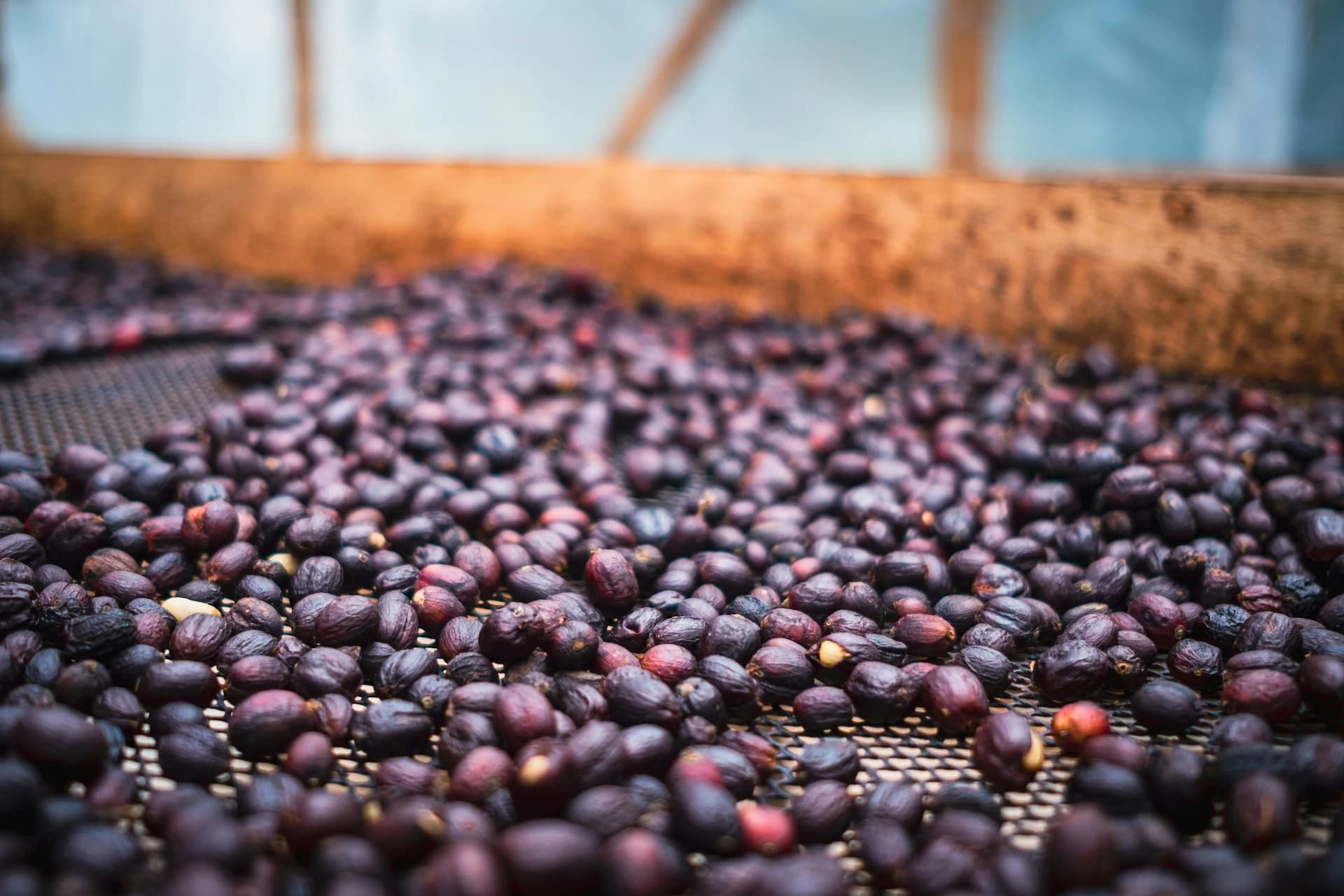
Cutting pods from the trees, opening them, tasting the sweet white pulp, and seeing the fermentation boxes and drying racks with beans at different stages.
- 04Both
Roasting and Grinding
Beans roasted over a wood fire in a traditional pot on the farm, then husked and ground to a paste. This is where the smell of the place changes completely.
- 05Both
Make Your Own Bar
Flavouring the paste with ginger, sugar cane, vanilla or salt, then tempering and moulding. The Laureles workshop tempers 62% dark chocolate on marble and adds a cacao ceremony and exfoliation.
- 06Finish
Tasting and Return
Tastings of the farm's own chocolate, or a cacao cocktail to close the workshop. Farm tours drop you back at your accommodation; the bar you made comes with you.
- 01
Pickup or Arrival
The farm tours collect you from El Poblado or Laureles in an air-conditioned vehicle, the private one at any 30 minute slot from 7am. For the workshops you make your own way to the Cacao House on Cra. 80B.
Start - ~1 hr02
The Drive, or Welcome
An hour to an hour and twenty minutes of Andean mountain road down to warmer cacao country. In Laureles this time is instead hot chocolate with cheese and an introduction to Colombian cacao.
- 03
Harvest and Fermentation
Cutting pods from the trees, opening them, tasting the sweet white pulp, and seeing the fermentation boxes and drying racks with beans at different stages.
Farm only - Both04
Roasting and Grinding
Beans roasted over a wood fire in a traditional pot on the farm, then husked and ground to a paste. This is where the smell of the place changes completely.
- 05
Make Your Own Bar
Flavouring the paste with ginger, sugar cane, vanilla or salt, then tempering and moulding. The Laureles workshop tempers 62% dark chocolate on marble and adds a cacao ceremony and exfoliation.
Both - Finish06
Tasting and Return
Tastings of the farm's own chocolate, or a cacao cocktail to close the workshop. Farm tours drop you back at your accommodation; the bar you made comes with you.
The bean-to-bar sequence is the same everywhere; what changes is how much of it you watch and how much you do yourself. On the farm days the early stages are the point. In the Laureles workshops the beans arrive already fermented and dried, so the session starts at roasting and spends far longer on the chocolate itself.
Worth knowing (fermentation is the invisible stage): Fermentation takes about six days and drying another five to ten, so no tour of any length shows you those happening start to finish. What a farm visit gives you is the boxes and the drying racks in use, with beans at different stages side by side. It is the step that does most to determine how the chocolate tastes, and the one people are most surprised by.
Worth knowing (the raw pulp is the surprise): On the farm tours you get to taste the white pulp around the fresh beans, which is sweet, faintly citrusy and tastes nothing whatsoever like chocolate. Guests routinely name it as the moment they did not expect, and it is the one thing a city workshop genuinely cannot offer.
Worth knowing (plan food around the farm days): Neither farm tour includes lunch, and the private one starts as early as 7am on a six hour round trip. The included snack is hot chocolate with cheese bread and some farm fruit, which is a snack rather than a meal. Eat before pickup or plan a late lunch back in the city. Some farms add whatever is ripe, with hand-squeezed tangerine juice and fruit from the property mentioned repeatedly.
Worth knowing (the farm walk is a real hike): The single most useful thing in guest feedback is that walking the plantation is steeper and rougher than a farm visit sounds. Reviewers describe muddy footpaths, narrow tracks along the edge of hills and a narrow bridge that some needed help crossing, and more than one recommends hiking boots and bug spray rather than trainers. The same guests almost always say the walk is the best part and to do it anyway. Treat it as a short hillside hike, not a stroll between sheds.
Best Cacao Tours in Medellín
All four hold a 5.0 rating, so the choice is not about quality. It is about whether you want a workshop or a day out, and how much of the process you want to see with your own eyes.
We would give the $55 workshop the edge for most visitors, because it delivers the thing people actually remember: hours of hands-on work and a bar you made. We would not choose it for everyone. If you have come to Colombia partly to see how the country's crops are grown, a workshop in a city house will feel like it skipped the interesting half, and the $135 farm day is the better booking.
Colombian Cacao Experience: Chocolate Tour
The cheapest tour here and the one with the deepest track record, at 5.0 from 421 reviews, more than the other three combined. Three and a half hours at the Cacao House in Laureles: hot chocolate and cheese on arrival, roasting, peeling, a small cacao ceremony, an ancestral cacao shot, grinding to paste, a chocolate exfoliation, then tempering 62% dark chocolate on marble and making a personalised bar to take home. Finishes with a cacao cocktail. Capped at 20, English or Spanish, and no transport, so you get yourself to Cra. 80B #35A-28.
Check availabilityChocolate tour near Medellin
The option to book if seeing cacao grow is the point. Six hours including an air-conditioned vehicle out to a small family finca about an hour from the city, where you follow the whole chain: picking pods, peeling, fermenting, drying, roasting, grinding and moulding. Snack of pandequeso and farm fruit with coffee or tea. Runs in English and Spanish, capped at 15 travelers, with a minimum age of 4. Guests consistently single out seeing the beans growing on the trees and the welcome from the farm family, and note the farm also grows coffee and fruit alongside three different cacao varieties.
Check availabilityChocolate Farm Private Tour: Real Genuine Experience
The most expensive and the most controlled: a private group with a private bilingual guide, a private A/C vehicle, and pickup from your own address in El Poblado or Laureles at any 30 minute slot between 7am and 12.30pm. Six hours door to door, with about 1 hour 20 minutes of Andean mountain road each way to a non-touristy family farm. You take part in every step and can flavour your bar with locally grown ginger or sugar cane. Hot chocolate with cheese bread included; lunch is not. Not recommended for pregnant travellers. Guests who have done chocolate tours in Europe repeatedly say this one stands out because you genuinely make the chocolate rather than watching and then being handed a sample, and several rate the drive up as worth the price on its own.
Check availabilityColombian Cacao Experience: Rum and Chocolate
The shortest tour here at two hours, and a tasting rather than a class. Ten Colombian rums paired with ten different chocolates, plus an ancestral cacao shot and a chocolate exfoliation, at the same Cacao House in Laureles. Departures at 6pm and 8.30pm make it the only option that fits around a full day of sightseeing. Capped at 20. You will not make a bar to take home on this one, so book the 3.5 hour workshop if that matters.
Check availabilityCacao Farm Tour or City Workshop: Which Should You Book?
This is the decision the search results obscure, because all four of these are marketed with the same words. Here is what actually separates them.
| City Workshop (Laureles) | Cacao Farm Day | |
|---|---|---|
| Price | $55 to $65 | $135 to $150 |
| Duration | 2 to 3.5 hrs | 6 hrs door to door |
| Travel time | None, you make your own way there | 1 hr to 1 hr 20 min each way |
| See cacao growing | No | Yes, pods cut from the trees |
| Fermentation and drying | Explained, not seen | Seen on the farm |
| Hands-on chocolate time | The whole session | Part of a longer day |
| Take home a bar you made | Yes on the 3.5 hr workshop | Yes |
| Transport included | No | Yes, with hotel pickup |
| Best for | Chocolate itself, short on time, evenings | Seeing where it comes from, a full day out |
Book the city workshop if your interest is chocolate rather than agriculture, if you have a half day rather than a full one, or if you want an evening activity. You get more hands-on minutes for less money, and you skip two hours in a vehicle. It is also the easier choice with a tight itinerary, since you are back in Laureles rather than an hour outside the city.
Book a farm day if you want to see cacao growing and understand fermentation and drying, which are the two stages that most change the flavour and the two you cannot replicate in a city house. Colombia's reputation rests on fine-flavour cacao, and a working finca is where that becomes concrete rather than abstract.
Book both if you have the days, and do the farm first. Seeing the pods and the drying racks makes the tempering stage in the workshop far more legible. If you would rather spend the second day on a different crop, our coffee tour guide covers seven farm visits in the same hills, and a Medellín food tour puts Colombian chocolate in the wider context of what people here actually eat. The workshop is indoors and takes all ages, which makes it one of the stronger bookings in our guide to Medellín with children.
Cacao Farms Near Medellín: Where the Beans Actually Come From
Cacao is a lowland tropical crop. Theobroma cacao wants consistent heat, high humidity and shelter, which in practice means roughly sea level to about 1,300 m in this part of Colombia. Medellín sits at about 1,495 m in the Aburrá Valley, with an average daily high around 28°C but nights that drop into the mid-teens, and that combination of altitude and cool nights is why the city is famous for its climate and not for its cacao. Coffee is the opposite case: it thrives in exactly the cooler, higher band that surrounds the city, which is why coffee fincas are a 45 minute drive away and cacao farms are not.
So every farm visit heads downhill and outward, into warmer municipalities where the crop actually grows. In Antioquia, cacao is concentrated in four subregions: Magdalena Medio to the east (Maceo, Puerto Nare, Caracolí, Puerto Triunfo), Nordeste to the northeast (Vegachí, Amalfi, Yalí, Remedios, Segovia), Bajo Cauca to the north (Caucasia, El Bagre, Zaragoza, Tarazá), and Urabá on the Caribbean side. Maceo is the best-known cacao municipality in the department, with plantations up to around 1,300 m.
The practical consequence for a visitor is that the farms reachable on a day trip sit at the near edge of those growing zones, an hour to an hour and twenty minutes out. That is a real drive on winding mountain roads, and it is also the reason the farm tours cost two to three times what a city workshop does. Guests describe the farms as high on the hillside with long views, growing coffee, citrus and other fruit alongside the cacao, which is normal: smallholders here rarely plant a single crop, and cacao is usually grown under shade trees rather than in open rows.
Why Colombian cacao is worth the trip
Colombia is one of a small group of origins recognised for quality rather than volume. Under Annex C of the International Cocoa Agreement, the International Cocoa Organization classifies 95% of Colombia's cacao exports as "fine or flavour" cacao, a designation that covers only about 5% of world production and rests on the Criollo and Trinitario varieties grown here rather than the bulk Forastero that dominates West Africa.
Colombia is not a big producer by global standards, and Antioquia is not its biggest region: Santander grows roughly 40% of the national crop, with Antioquia at around 8 to 9%. That matters less than it sounds for a visitor, because what you are going to see is a smallholder farm processing its own beans on site, which is exactly where the fine-flavour distinction is made or lost. Fermentation and drying are done by the farmer, and they do more to determine how the chocolate tastes than the variety does.
What a farm visit actually shows you
The farms these tours use are working family properties rather than visitor centres, so what you see depends on what is happening that week. Reliably: cacao trees with pods at different stages of ripeness, the fermentation boxes, the drying racks or patio, and a kitchen or open fire where beans are roasted and ground. Often: coffee plants, fruit trees and whatever else the family grows. Sometimes: a harvest in progress, which is the best version of the day.
The trees fruit more or less year-round with two heavier peaks, so there is no wrong month to go, and no operator here treats the visit as seasonal. What does change is the weather rather than the crop, and an afternoon downpour on a hillside farm is a normal Antioquian outcome rather than bad luck.
How Much Does a Cacao Tour in Medellín Cost?
Medellín cacao tours run $55 to $150 per person, and almost the entire spread is transport and privacy rather than the chocolate. A workshop you travel to yourself is $55 to $65. A shared farm day with a vehicle is $135. A fully private farm day is $150.
Two to three and a half hours at the Cacao House in Laureles, capped at 20. The $55 chocolate tour is the hands-on class with a bar to take home; the $65 rum pairing is a two hour evening tasting. No transport, so add a short ride to Cra. 80B #35A-28. The best value here by a clear margin.
Six hours with an air-conditioned vehicle, hotel pickup, entry to a family finca about an hour out, the full bean-to-bar chain and a snack of pandequeso and farm fruit. What you are paying for over the workshop is the drive and the farm access.
Six hours as a private group with your own bilingual guide and vehicle, pickup from your address in El Poblado or Laureles in any 30 minute slot from 7am to 12.30pm, and 1 hour 20 minutes each way to a non-touristy family farm. Hot chocolate with cheese bread included; lunch is not.
Work backwards from whether you want to leave the city, because that decides the price more than anything else does. If chocolate itself is the draw, the $55 workshop is the whole answer and the difference is better spent on a coffee farm day or a food tour. Pay for a farm day when seeing cacao grow is genuinely the reason you are booking, and pay the extra $15 for the private version if you want a 7am start, your own vehicle and pickup from an exact address rather than a meeting point.
Our Take
The pattern we keep seeing is that disappointment on these tours is almost always a format mismatch rather than a bad operator. All four rate 5.0. The guests who come away flat are the ones who booked a Laureles workshop expecting a plantation, or a six hour farm day when they had a half day free. Read the Farm or City column before the price, and the rest tends to take care of itself.
Tips for Your Medellín Cacao Tour
- Decide farm or city before you compare prices. Two of these four never leave Laureles. If you want to see cacao growing, only the $135 and $150 tours do that, and no amount of hands-on time in a city workshop substitutes for it.
- Check the pickup zone on the farm tours. Both collect from El Poblado and Laureles only. If you are in Envigado, Sabaneta or the centre, confirm before booking rather than on the morning.
- Eat before a farm day. Neither farm tour includes lunch across six hours, and the private one can start at 7am. The included snack is hot chocolate with cheese bread, not a meal.
- Book the rum pairing for an evening, not a morning. It runs at 6pm and 8.30pm and is a tasting rather than a class, which makes it the one option that fits around a full day of sightseeing.
- Wear proper shoes on the farm tours, not trainers. The footpath down to the cacao trees is steep and often muddy, with narrow stretches along the edge of the hillside. Guests who have done it recommend hiking boots and insect repellent, and that advice comes up too often to ignore.
- Skip the farm walk if you are uneasy with heights. One route involves narrow paths on hill edges and a narrow bridge that some guests needed help across. The farm visit still works without the full plantation walk, but the walk is the part people rate most highly, so the city workshop may be the better booking instead.
- Do walk the plantation if you can manage it. The guests who mention the climb hardest are also the ones who call it the highlight: seeing pods on the tree, learning to judge ripeness and tasting the fresh pulp are what separate a farm day from a workshop.
- Bring a rain layer. Rain arrives fast in this region and mostly in the afternoon, and the harvesting and drying parts of a farm visit are outdoors.
- Carry cash in Colombian pesos. Farms sell their own chocolate and cocoa products at the end, which is the best souvenir on the trip and usually cash only. Guide tips are customary too.
- Ask about the 18 and over rule on the rum tour. It is built around ten rum pairings, so it is not a family activity in the way the chocolate workshop is. The rums span roughly three to fifteen years of ageing, so it is a genuine tasting rather than a novelty.
- Book the workshop for teenagers rather than a farm day. Parents travelling with pre-teens and teenagers report it working well and specifically note it is not rushed, which is the usual complaint about a three and a half hour activity with children.
- Expect to carry your bar carefully. You take home chocolate you tempered yourself, and Medellín afternoons are warm. If you are heading straight out for the evening, ask about keeping it somewhere cool.
- Pair it with a coffee farm rather than another chocolate tour. The two crops grow in different bands of the same hills, and doing one of each gives you a much better picture of Antioquian agriculture than doing two chocolate tours.
How We Selected These Tours
The Colombia Trip Insider team compared Medellín's bookable cacao and chocolate tours on the factor that decides this booking and that the listings obscure: whether the tour actually goes to a working cacao farm or stays in the city, and how much of the bean-to-bar process you see as a result. We kept only tours with a verified booking record and a real review history, and we have said plainly which of them are city workshops rather than farm visits, because the phrase "cacao farm tour" is used for both. Where a figure was not confirmed by a published source, we have left it blank rather than estimating it, and we say so on the page. The four here span a hands-on city workshop, an evening rum pairing, a shared farm day and a private one, so you can choose on format and available time rather than on price alone. Information was verified in September 2026.
Frequently Asked Questions
How much does a cacao tour in Medellín cost?+
Between $55 and $150 per person. A three and a half hour hands-on chocolate workshop at the Cacao House in Laureles is $55, a two hour evening rum and chocolate pairing is $65, a six hour shared trip to a family cacao farm is $135, and a private farm day with your own guide and vehicle is $150. The price difference is almost entirely transport and privacy rather than the chocolate.
What is the best chocolate tour in Medellín?+
For most visitors the $55 Colombian Cacao Experience chocolate tour, which holds a 5.0 rating across 421 reviews, more than the other three tours combined. Three and a half hours in Laureles covering roasting, peeling, grinding, a cacao ceremony and tempering 62% dark chocolate on marble, finishing with a bar you made and a cacao cocktail. If seeing cacao actually growing is your priority, book the $135 farm day instead.
Is there a real cacao farm tour from Medellín?+
Yes, but it means leaving the city. Cacao wants consistent heat and humidity below roughly 1,300 m, and Medellín sits at about 1,495 m with cool nights, so genuine farm tours drive an hour to an hour and twenty minutes out into warmer country. Antioquia's cacao is concentrated in the Magdalena Medio, Nordeste, Bajo Cauca and Urabá subregions. Two of the four tours here visit a working farm: a $135 shared trip and a $150 private one, both with hotel pickup in El Poblado or Laureles.
Do cacao tours in Medellín include food?+
A snack, not a meal, and no tour here includes lunch. The farm tours include hot chocolate with cheese bread (pandequeso) plus farm fruit and coffee or tea. The city workshops include hot chocolate and cheese on arrival, an ancestral cacao shot, chocolate tastings and a cacao cocktail. On a six hour farm day, eat before pickup or plan a late lunch afterwards.
Do you make your own chocolate on a Medellín cacao tour?+
On three of the four, yes. The $55 workshop has you temper 62% dark chocolate on marble and mould a personalised bar to take home, and both farm tours let you flavour and mould your own with farm ingredients such as ginger and sugar cane. The exception is the $65 rum and chocolate pairing, which is a two hour tasting rather than a making class.
Where is the Cacao House in Medellín?+
At Cra. 80B #35A-28 in Laureles, and it is where both Colombian Cacao Experience tours run. Neither includes transport, so you make your own way there, which is straightforward by ride-hailing app or metro from El Poblado. The building is a large white house with brown gates.
Where are the cacao farms near Medellín?+
In the warmer, lower municipalities outside the Aburrá Valley, an hour to an hour and twenty minutes from the city on winding mountain roads. Antioquia's cacao is grown mainly in four subregions: Magdalena Medio to the east (Maceo, Puerto Nare, Puerto Triunfo), Nordeste to the northeast (Vegachí, Amalfi, Remedios), Bajo Cauca to the north, and Urabá on the Caribbean side. Maceo is the department's best-known cacao municipality, with plantations up to around 1,300 m. The farms used by day tours sit at the near edge of these zones.
Should you do a cacao tour or a coffee tour in Medellín?+
They cover different crops in different bands of the same hills, so doing one of each gives you a much fuller picture than doing two of either. Coffee farm tours from Medellín start at $74 and cluster in the higher, cooler corregimientos; cacao needs lower and warmer ground. If you only have time for one and want a working farm day, the coffee tours offer more options in that format.
Affiliate note: Some links on this page are affiliate links. If you book through them, we may earn a small commission at no additional cost to you.